
Finding Boat Safety
With the arrival of the much anticipated film, Finding Dory, it takes me back to 2003 when I was but 10 years old and singing, “Just keep swimming,” over and over after watching Finding Nemo. My parents now refuse to watch any of the “Finding Franchise” after being forced to watch it so many times and I assume they are not alone. However, there is one part in the film that has stayed with me, if not for crude humor:
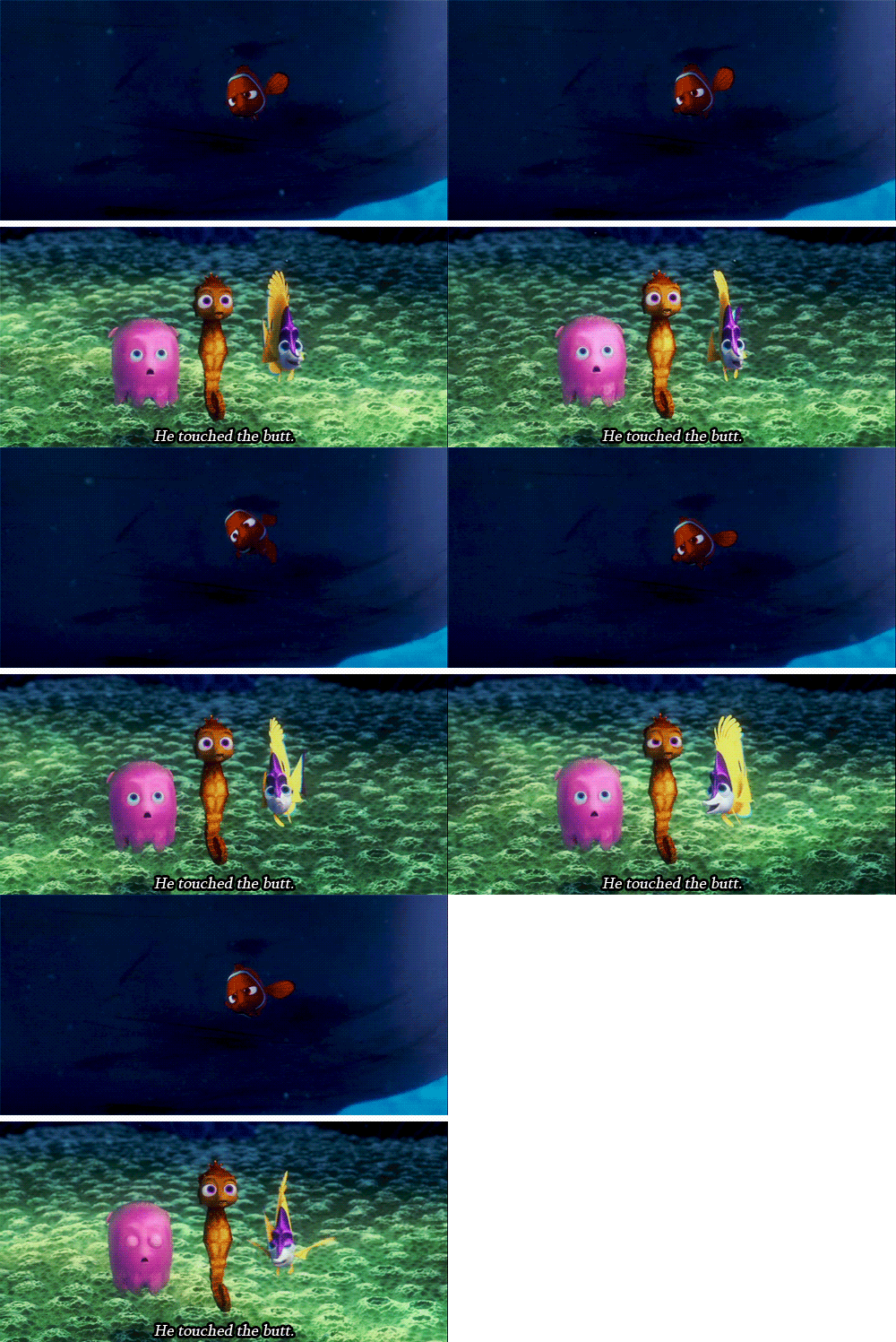
Now, the “butt” being referenced is the bottom of a boat, a vehicle many of you, my dear readers, may find yourselves on this weekend. While boats are incredibly fun, between just cruising to wake boarding and surfing, they are still machines and can be very dangerous if not respected or used properly. Even in Nemo, the parents of all the fish warn the little ones not to play near boats, and to be safe. So, in the spirit of Marlin, the overbearing and helicopter dad out to save his son, Curcio Law would like to put forth a few tips to stay safe while on a boat.
- Prepare a Pre-Departure checklist.
- Designate a 2nd Mate
- Make sure to have at least two people on the boat who know how to handle the controls. That way, if one becomes injured or incapacitated and can no longer navigate or operate the vehicle, the other can take over and safely take you back to shore. Furthermore when out on the water, ensure someone who knows how to drive the boat is on at all times. Even if you drop anchor to swim and hang out, someone must be on the vessel to intervene in case of an emergency.
- Develop a Float Plan.
- Whether you choose to inform a family member or staff at your local marina, always be sure to let someone onshore know your float plan. This should include where you’re going and how long you’re going to be gone. Some other information to have in your float plan can be:
- name, address, and phone number of trip leader
- name and phone number of all passengers
- boat type and registration information
- trip itinerary
- types of communication and signal equipment onboard, such as an Emergency Position Indicating Radio Beacon (EPIRB) or Personal Locator Beacon (PLB)
- Whether you choose to inform a family member or staff at your local marina, always be sure to let someone onshore know your float plan. This should include where you’re going and how long you’re going to be gone. Some other information to have in your float plan can be:
- Avoid alcohol and wear life jackets.
- Most boating accidents and fatalities are linked to alcohol and improper use of life jackets. Regardless of your swimming ability always wear a life jacket when on a boat. Similarly, it is best to keep your wits about you when on the water, as situations can change very quickly. Leave the partying for the shore.
- Boat Courses
- Consider taking a boating safety course. States differ on the education requirements for taking boating safety courses, however, in Virginia a boating safety course is required for any person operating a motorboat. We suggest anyone who is going to be riding in a boat to take a course on safety. As we say knowledge is power. Many groups offer courses such as, The US Coast Guard, Boat Owners Association of the US, the American Sailing Association, and many more.
- Free Vessel Safety Check
- A well-kept secret, the US Coast Guard will perform complimentary safety inspections of motorboats where they will check that all the equipment is present and up to snuff. They also offer online safety checklists as well.
Curcio Law wishes you all a happy and safe Fourth! We hope you “rock on” harder than Crush and the rest of the sea turtles in Nemo, but we want you to be as safe as possible.
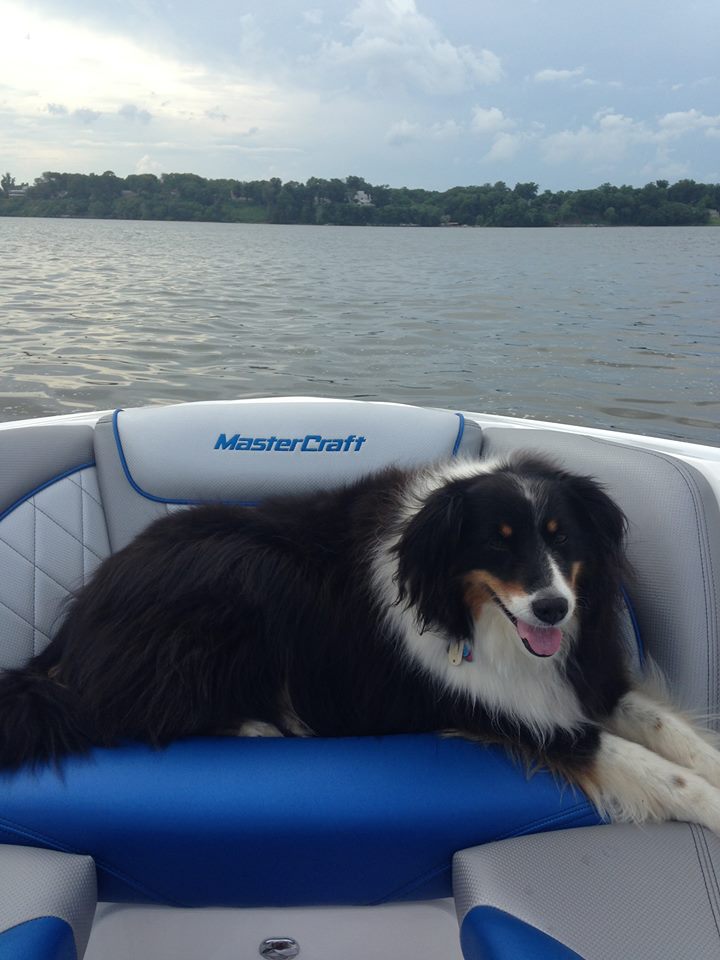
Our resident skipper, Tom Curcio, who can often be found out on the Potomac pulling his son Peter on his wakeboard or cruising with his wife, Gale and their dog, Roxie, approved this message.
Alexandria Law Firm, Curcio Law | Safety on the Water
[…] over the Fourth of July weekend we posted a blog about boating safety. We gave a lot of great safety tips in that blog but in light of the accident […]